
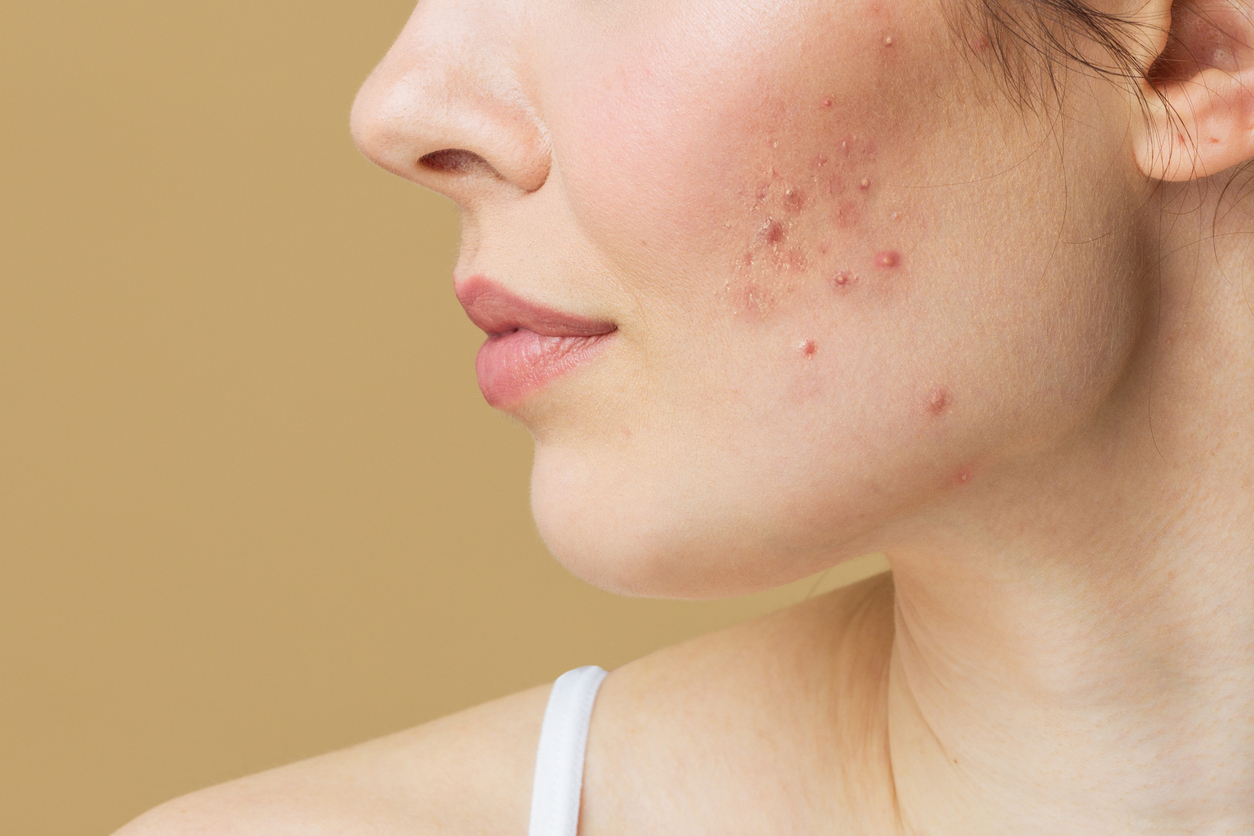
Hormonal acne is more than just skin deep. Breakouts that are influenced by hormones can make you feel less confident in yourself, create physical discomfort, and cause longer-term issues. While pimple popping and topical medications may feel like quick solutions, treating hormonal acne properly requires a more targeted and thoughtful approach. With telehealth services, you can receive a proper evaluation, personalized treatment plan, and ongoing support for hormonal acne without a physical office visit. Online providers like Omnia Telehealth make it possible to treat acne and support your skin with secure virtual care that’s convenient for your lifestyle.
What Is Hormonal Acne?
Hormonal acne develops when hormones, such as androgens, fluctuate and cause increased production of sebum. The oils build up on the skin, clogging pores and promoting inflammation that can cause painful acne. Hormonal fluctuations and accompanying acne are a common part of puberty, menstrual cycles, pregnancy, postpartum periods, perimenopause, and menopause, among other times in life. Hormonal imbalance from conditions like polycystic ovary syndrome can also worsen or cause acne.
Stress and other lifestyle factors can play a role in making hormonal acne worse. Long-term stressors keep cortisol levels in the body high, which can increase inflammation and encourage sebum production. Diet can have a role, with processed, refined, or high-glycemic index foods affecting insulin and hormone signaling. Other medications that impact the body’s hormones, such as systemic steroids, can also be a factor in hormonal acne. As all of these potential triggers can be different for each individual, it can be helpful to track potential lifestyle and environmental factors for clues over time to more effectively treat the root causes of hormonal acne.
Symptoms of Hormonal Acne
One of the primary ways to identify hormonal acne is in where breakouts are located. Hormonal acne is usually confined to the lower face, such as the jawline, chin, and lower cheeks. Hormonal acne is often deeper than typical whiteheads and blackheads, is usually more sensitive and painful, and takes longer to heal. Because hormonal acne is related to internal changes, many people also notice cyclical flare-ups before or during periods or other times of hormonal change or fluctuation.
Symptoms may also include more overall skin oiliness, sensitivity, or inflammation. Sometimes people experience occasional flares, but other times hormonal acne is persistent and will not go away for months. Tracking the timing, severity, and location of breakouts can help clinicians identify whether hormones are the primary acne-causing culprit.
How Is Hormonal Acne Diagnosed Online?
Diagnosing hormonal acne often starts with a clinical history. During a telehealth visit, a clinician asks about your skin concerns, medical and acne history, menstrual history when applicable, medications, and lifestyle factors such as stress and diet. You may be asked to upload clear photos of your skin or complete a video visit so the provider can evaluate your acne, including lesion type and distribution.
Clinicians can also order lab work through a local lab to check specific hormone levels, insulin resistance, and other tests for related conditions like polycystic ovary syndrome when they suspect this may be a cause or factor. Telehealth providers are able to complete this process without needing multiple in-person visits and connect you with local pharmacies for prescription access.
Traditional and Prescription Treatments for Hormonal Acne
The treatments for hormonal acne often involve a combination of topical and systemic medications. Topical therapies such as retinoids, benzoyl peroxide, and oral antibiotics can help reduce inflammation, unclog pores, and manage the overgrowth of acne-causing bacteria. It’s important to be consistent with these therapies, as they will take several weeks to show noticeable changes.
Moderate to severe cases of hormonal acne may benefit from oral therapies. Hormonal therapies like certain oral contraceptives or spironolactone may be used to directly lower androgen activity and associated oil production. Oral antibiotics may also be used for a short time to help reduce inflammation and calm cystic acne. Telehealth providers can monitor and adjust treatment as the skin shows signs of improvement or any side effects.
Online Treatment with Telehealth
Telehealth allows patients to access licensed and qualified clinicians that specialize in acne treatment through the convenience of online platforms. During an initial visit, your provider will assess your skin concerns and overall health history and work to create a treatment plan, often including prescriptions, that can be followed at home. A follow-up visit is recommended to check in on the response to treatment and can be scheduled as needed.
Supporting Your Skin at Home
Your skin health at home also matters. Stress management can be a key factor for managing breakouts, as long-term stress keeps cortisol in the body high and can also worsen inflammation. Consistently prioritizing good sleep can also help with hormone regulation and skin health. Eating a balanced, nutrient-dense diet that is high in fruits, vegetables, and omega-3 fatty acids can help control inflammation and keep the skin in balance.
A good skincare routine is also key for acne management. Gentle cleansing, regular use of non-comedogenic moisturizers, and sun protection are important to maintaining skin barrier function and to help avoid future breakouts. Harsh or irritating products that strip or aggravate the skin should be avoided as much as possible.
Preventing Future Flare-Ups
Prevention comes in maintaining hormonal balance and a strong skin barrier for the long-term. Follow-up visits can help ensure that your treatment is still working well for you and your skin. When new patterns or changes emerge, telehealth allows you to be proactive before breakouts worsen. Online acne care allows for this long-term monitoring in an accessible, less-stressful way.
FAQs
How can I tell if my acne is hormonal or something else?
Hormonal acne is most common on the lower face, like the jawline and chin, and it feels deeper, more painful, and often won’t go away. Hormonal acne is also more likely to flare predictably in a cycle, like before or during your period. A clinician can evaluate this with a telehealth visit.
Can hormonal acne be treated online?
Yes. Many of the most effective prescription acne treatments and hormonal treatments can be managed safely and effectively through telehealth services with proper follow-up.
Do I need blood tests for hormonal acne?
Not necessarily. Hormonal acne can be diagnosed based on clinical appearance and history, but lab work may be ordered if other symptoms or potential causes are present.
How long does online treatment take to work?
It can take six to twelve weeks for a patient to see improvement, but this timeline will depend on the treatment plan and overall consistency.
Can telehealth providers adjust my treatment over time?
Yes. Follow-up visits allow your clinician to make adjustments to your skincare and prescriptions as your skin responds.